
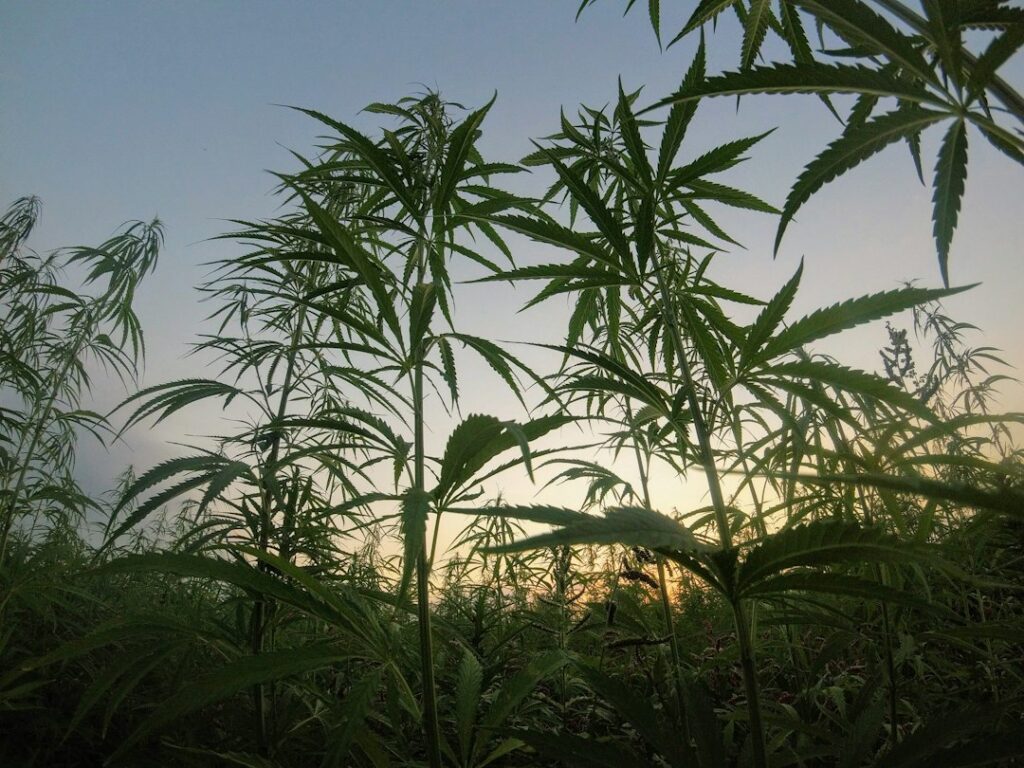
Cannabis classifications have traditionally been used to describe broad differences between plant types, and sativa remains one of the most familiar terms in the category. Sativa is commonly associated with particular plant structures, leaf shapes, flowering patterns, and aromatic characteristics, although modern breeding has created substantial variation. Understanding these commonly associated traits provides useful context for consumers exploring contemporary cannabis varieties and the wide range of products developed from them.
Contents
- Where Does the Sativa Classification Come From?
- What Plant Structure Is Commonly Associated With Sativa?
- How Does Flower Structure Differ?
- What Aromas Are Commonly Found?
- What Role Do Terpenes Play?
- How Do Cannabinoids Add More Information?
- Are All Modern Sativa Products Genetically Similar?
- How Can Online Product Collections Showcase These Characteristics?
- Why Is Modern Sativa So Diverse?
- Conclusion
Where Does the Sativa Classification Come From?
The traditional sativa classification has historical connections with cannabis varieties associated with regions including Southeast Asia, Africa, and parts of Central America. These plants developed under different environmental conditions, contributing to physical characteristics that became associated with the category.
Historically, sativa-type plants were often described as taller and more open in structure than traditional indica varieties. Their narrower leaves also became one of the recognizable features used to distinguish them.
Modern cultivation has made these distinctions considerably more flexible.
What Plant Structure Is Commonly Associated With Sativa?
Height is one of the most commonly mentioned characteristics of traditional sativa plants. They were often described as having taller growth patterns, longer branches, and a more open overall structure.
Narrower leaflets are another characteristic historically associated with the category. These physical features developed in relation to the environments where traditional varieties were cultivated.
However, modern hybrid genetics mean that contemporary plants can display a combination of characteristics from different cannabis lineages.
How Does Flower Structure Differ?
Flower appearance can vary significantly between individual cultivars. Traditional sativa-associated plants are often described as producing relatively elongated and less compact flower structures.
Modern cultivation techniques have expanded this range, and individual products may display different levels of density, size, color, and resin coverage.
Trichomes also contribute to the appearance of cannabis flower. These small resin-producing structures contain cannabinoids and aromatic compounds, making them an important visual feature of many cannabis products.
What Aromas Are Commonly Found?
Aroma is an important part of cannabis product identity. Sativa-associated varieties can display a broad selection of aromatic characteristics depending on their genetics and terpene composition.
Citrus, tropical fruit, floral, herbal, pine-like, earthy, and spicy notes may appear across different cultivars. This range demonstrates why products within the same traditional classification can still have distinctly different sensory profiles.
Aroma descriptions can therefore provide useful information when comparing varieties.
What Role Do Terpenes Play?
Terpenes are naturally occurring compounds responsible for many of the aromas and flavors found in cannabis. Individual cultivars can contain different combinations and concentrations of these compounds.
For consumers exploring sativa-associated products, terpene information provides a more detailed way to understand sensory differences.
Instead of relying exclusively on a broad classification, consumers can examine terpene profiles to discover varieties with different aromatic characteristics.
How Do Cannabinoids Add More Information?
Cannabinoids provide another important layer of product information. THC and CBD are among the most commonly identified cannabinoids, while some modern product descriptions may include additional compounds.
The cannabinoid profile can differ between cultivars, making it useful to consider alongside genetics, terpene composition, and product format.
This combination of information creates a more complete picture of individual cannabis selections.
Are All Modern Sativa Products Genetically Similar?
Modern breeding has created extensive genetic diversity. Many products described as sativa contain hybrid genetics developed from multiple cannabis lineages.
Consequently, traditional characteristics should be viewed as general reference points rather than fixed rules for every modern product.
Cultivar information and detailed product descriptions can provide a clearer understanding of individual selections.
How Can Online Product Collections Showcase These Characteristics?
Online dispensaries can organize cannabis products into categories that make individual characteristics easier to explore. Digital listings can include information about cultivar names, flower descriptions, cannabinoid content, terpene profiles, and product formats.
Kush Station Online Dispensary Canada provides an online platform where consumers can explore a range of cannabis products and discover different selections through a digital catalog.
This format allows consumers to review product details at their own pace.
Why Is Modern Sativa So Diverse?
Advances in cultivation and breeding have expanded the range of cannabis genetics available today. Traditional sativa characteristics remain useful for understanding the category, while hybridization has introduced many new combinations of physical and chemical traits.
This evolution has created a broader and more varied product landscape for modern consumers.
Conclusion
Sativa is commonly associated with taller plant structures, narrower leaves, open growth patterns, distinctive flower characteristics, and diverse aromatic profiles. However, modern breeding has created extensive variation, making individual products much more diverse than traditional classifications suggest. By considering plant characteristics alongside genetics, terpenes, cannabinoids, aroma, and product information, consumers can develop a clearer understanding of the characteristics commonly associated with sativa cannabis and the variety found within today’s market.
Key Takeaways
- Sativa is traditionally associated with taller plant structures, narrower leaves, and open growth patterns.
- Historical sativa classifications are linked to cannabis varieties from regions such as Southeast Asia, Africa, and Central America.
- Modern breeding has resulted in substantial variation among cannabis plants, making traditional distinctions more flexible.
- Sativa plants are often described as having elongated and less compact flower structures compared to indica varieties.
- Terpenes play a critical role in the aromas of cannabis, with sativa-associated varieties displaying a wide range of scents including citrus, floral, and earthy notes.
- Cannabinoid profiles, including THC and CBD levels, provide additional information that complements genetics and terpenes in understanding cannabis products.