
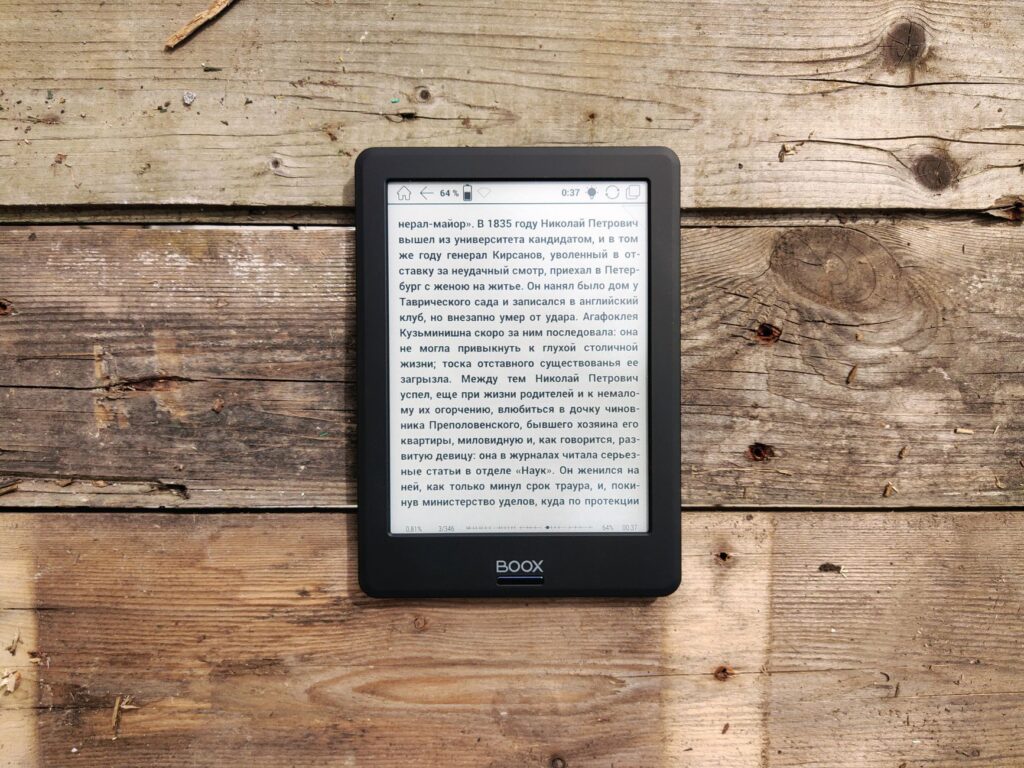
The Linux-based e-reader is set to launch in November, promising an ultra-compact design that appeals to avid readers looking for portability.
What to Expect from the Boox Picco
The upcoming Boox Picco is generating excitement as a game-changing Linux-based e-reader designed for avid readers seeking portability and functionality. Set to launch this November, the device promises a host of features tailored to enhance the reading experience.
One of the standout features of the Boox Picco is its ultra-compact design, making it easy to carry in a pocket or bag. Users can expect:
- Lightweight Build: Weighing significantly less than traditional e-readers, it is perfect for on-the-go reading.
- Long Battery Life: The device is equipped to last weeks on a single charge, ensuring readers can enjoy uninterrupted sessions.
- Customizable Interface: Powered by Linux, users can tailor their reading experience with various apps and settings.
- Enhanced Display: The screen promises sharp text and comfortable reading in various lighting conditions.
As the launch date approaches, anticipation builds for how the Boox Picco will redefine the landscape of portable reading devices.
Key Features of the Linux-based e-reader
The upcoming Linux-based e-reader, Boox Picco, is designed with various features that cater to the needs of modern readers. Its ultra-compact design makes it highly portable, allowing users to carry it effortlessly wherever they go. Here are some key features that highlight its appeal:
- Lightweight and Sleek Design: Weighing less than a traditional paperback, the Boox Picco fits comfortably in a pocket or small bag.
- Long Battery Life: Thanks to its energy-efficient Linux operating system, this device can last weeks on a single charge, making it perfect for avid readers.
- Versatile File Support: The e-reader supports multiple formats, including EPUB, PDF, and MOBI, ensuring compatibility with a wide range of digital books.
- User-Friendly Interface: The intuitive interface, optimized for touch, allows for easy navigation through menus and content.
- Customizable Reading Experience: Users can adjust font sizes, background colors, and brightness to suit their reading preferences.
With these features, the Linux-based e-reader promises to enhance the reading experience for users looking for convenience and functionality.
Why Choose a Linux-based e-reader?
Choosing a Linux-based e-reader like the Boox Picco offers several compelling advantages for avid readers. First and foremost, the open-source nature of Linux provides users with flexibility and customization options that are often unavailable in proprietary devices.
Another key benefit is the exceptional battery life that these devices typically offer. With efficient power management, a Linux-based e-reader can last weeks on a single charge, making it ideal for long reading sessions or travel. Additionally, the e-ink display technology used in these devices reduces eye strain, allowing for comfortable reading even in bright sunlight.
Moreover, users can access a wide range of applications, providing more than just a reading experience. This versatility allows readers to explore news articles, listen to audiobooks, or even jot down notes. The lightweight and ultra-compact design of the Boox Picco further enhances portability, making it easy to carry around without adding bulk to your bag.
In summary, a Linux-based e-reader combines functionality, comfort, and flexibility, making it a perfect choice for those who value a rich reading experience.
Comparison with Other E-readers
When considering the best ultra-compact devices for readers, it’s essential to compare the Linux-based e-reader, such as the Boox Picco, with traditional e-readers like Kindle and Kobo. Each device offers unique features that cater to different user preferences.
One significant advantage of Linux-based e-readers is their flexibility. Unlike Kindle or Kobo, which operate on proprietary systems, the Boox Picco allows users to customize their reading experience. This adaptability can enhance productivity for those who also use their devices for note-taking or other tasks.
Battery life is another critical factor. While many e-readers boast impressive longevity, the Linux-based e-reader often provides extended usage due to its efficient operating system. Users can enjoy longer reading sessions without the need to recharge frequently.
In terms of supported formats, Linux-based e-readers typically support a wider range of file types, making them suitable for diverse reading materials. However, Kindle and Kobo maintain extensive ecosystems, providing easy access to large libraries of books.
Ultimately, the choice between these devices depends on individual preferences and specific reading needs.
User Reviews and Feedback
User reviews for the new Linux-based e-reader, the Boox Picco, have started to emerge ahead of its highly anticipated launch in November. Early testers have been sharing their experiences, highlighting both strengths and areas for improvement.
- Portability: Many users appreciate the ultra-compact design, making it easy to carry around. One reviewer noted, “It fits perfectly in my handbag, and I can take it everywhere without feeling weighed down.”
- Battery Life: The battery performance has received positive feedback. Users report that it lasts for weeks on a single charge, which is a significant advantage for avid readers.
- User Interface: Some feedback on the user interface indicates that while it is generally intuitive, a few users would like to see more customization options to enhance their reading experience.
- Compatibility: Reviewers have noted the ability to read various formats is a huge plus, making the Linux-based e-reader versatile for different types of content.
As more users share their insights, it will be interesting to see how the Boox Picco measures up once it hits the market.
Photo by Andrey Matveev on Pexels
References
Related reading
You may also like
-
Discover the Joy of Personalized Friendship Through an Intelligent AI Companion
-
Deepfake Explained: What You Need to Know About This Emerging Technology
-
Buying Instagram Followers Has the Potential to Increase Your Instagram Presence
-
Create Yourself By Watching Free Anime Online
-
I need to know where my Windows 10 product Key is stored.